On July 7, 1990, thousands of Kenyans poured into the streets, risking everything to demand multiparty democracy. Thirty-five years later, a new generation is carrying that same torch, this time armed with smartphones, hashtags, and an unshakable belief that change is possible.
7/7/25 protests, maandamano, the Swahili word for “demonstration,” aren’t just sudden eruptions of anger. They are part of a long, often painful journey to make democracy real for all Kenyans.
The Story of Saba Saba: A Day That Changed Kenya
Saba Saba means “Seven Seven”, the 7th day of the 7th month.
On July 7, 1990, prominent opposition leaders, Kenneth Matiba, Charles Rubia, and Jaramogi Oginga Odinga, called for nationwide protests. Their goal was simple but radical: pressure the authoritarian government of President Daniel Arap Moi to allow multiparty elections.
At the time, Kenya had been a de facto one-party state for decades. Speaking out came with a price: harassment, detention without trial, or worse.
Saba Saba changed everything. Though the demonstrations were met with violence, arrests, beatings, and crackdowns, they sparked a powerful civic awakening.
By 1991, the government had bowed to pressure and reintroduced multiparty democracy. The sacrifices made by those who marched on that day laid the foundation for every struggle that followed.
Maandamano: The Evolution of Protest in Kenya
Since Saba Saba, maandamano has remained a part of Kenyan public life, a reminder that freedom needs constant vigilance.
1990s: Citizens pushed for reforms and an end to dictatorship.
2002: Hope surged as Daniel Arap Moi stepped down, and Mwai Kibaki promised a new era.
2007–2008: Post-election violence left deep wounds, with over 1,000 plus lives lost.
2010: A new constitution enshrined a Bill of Rights and devolution of power.
2016: Kenyans protested against corruption and electoral fraud.
2023–2025: Young people, many born after 2000, organized new maandamano, demanding accountability and an end to police brutality.
Why Did the 2023–2025 Maandamano Erupt?
This wave of maandamano didn’t start overnight.
In June 2023, the government introduced a controversial Finance Bill, proposing tax increases on essentials like fuel, cooking gas, bread, and digital services.
For many Kenyans, especially young people already grappling with high unemployment and rising living costs, this was the final straw.
As the bill moved through Parliament, demonstrations erupted across Nairobi, Kisumu, Mombasa, and smaller towns. Protesters saw the Finance Bill as yet another example of leaders disconnected from ordinary citizens.
Throughout 2023 and into 2024, maandamano grew larger and more frequent. July’s protests coincided with Saba Saba commemorations, transforming the day from a historical anniversary into a living call for justice.
In 2025, frustrations boiled over once more when a new Finance Bill was tabled, again proposing tax hikes. This time, public outrage was compounded by the death of Albert Ojwang, a 25-year-old activist and blogger who died in police custody in Nairobi. Authorities claimed he committed suicide. His family and fellow demonstrators believed it was a cover-up.
Albert became a symbol of impunity, and his name was carried on placards and chanted in the streets.
By July 7, 2025, Saba Saba had become a rallying point for thousands demanding:
✅ Justice for Albert Ojwang and other victims of police brutality
✅ Repeal of punitive taxes
✅ Action against corruption
✅ True government accountability
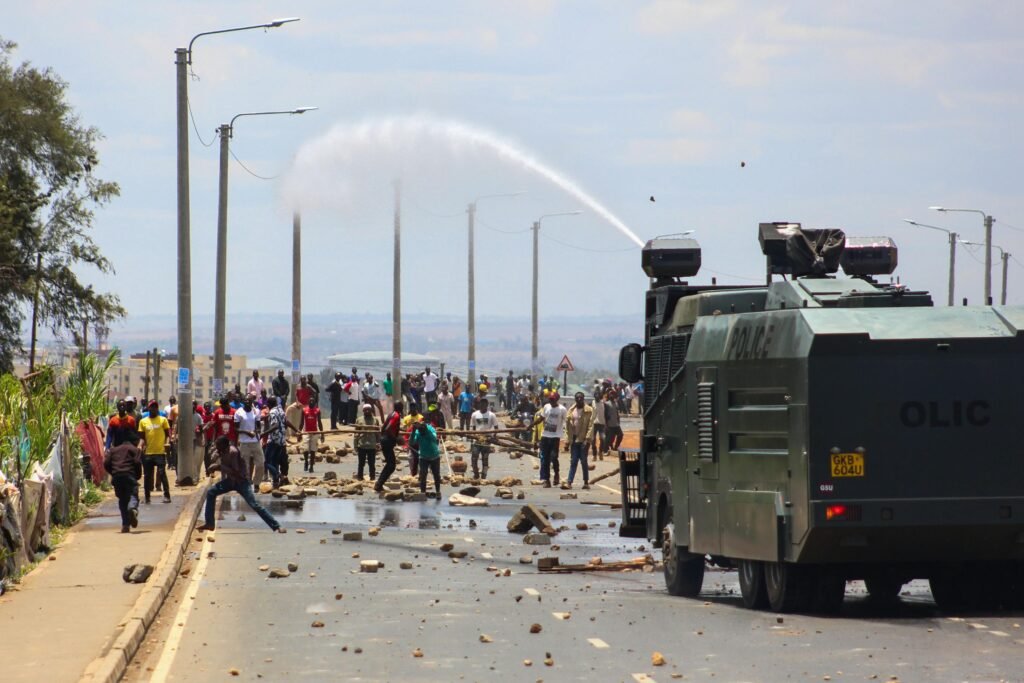
In Nairobi, police fired tear gas, water cannons, and reportedly live bullets. Human rights groups reported at least 10 protesters killed.
The New Face of Kenyan Activism
Unlike the Saba Saba generation, today’s activists don’t rely on leaflets or word-of-mouth.
They organize online on Twitter, TikTok, Telegram, and WhatsApp.
Young Kenyans use social media to:
🔹 Share real-time updates from protests
🔹 Crowdsource bail money for arrested demonstrators
🔹 Document police abuses with video evidence
🔹 Plan peaceful marches
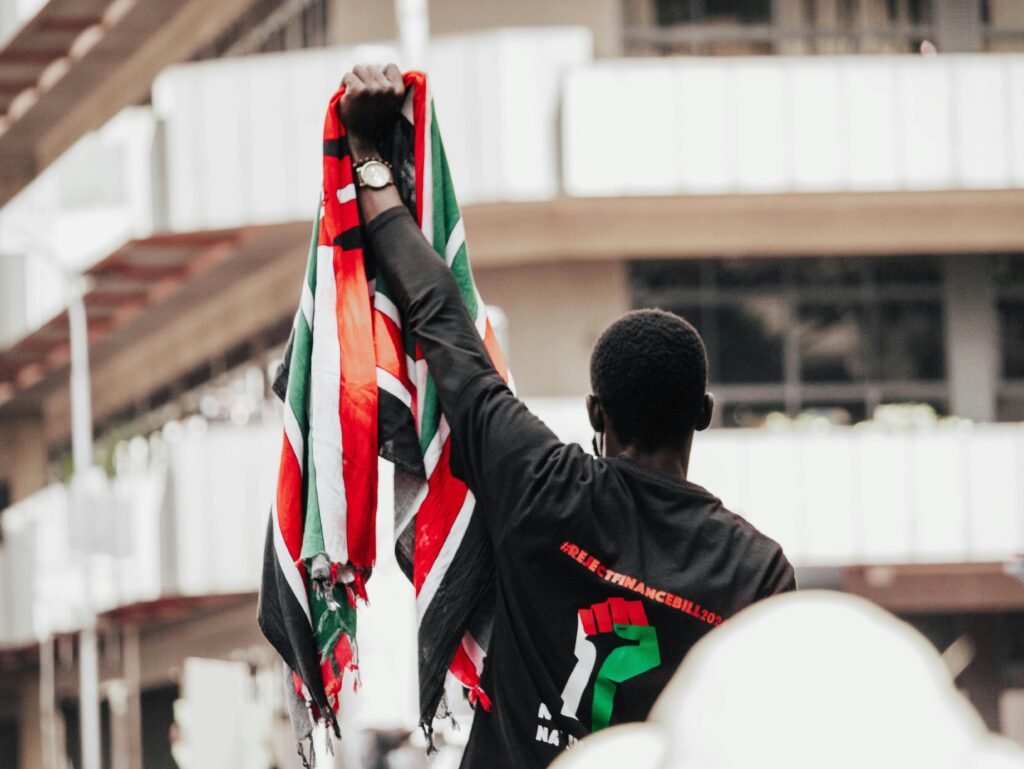
Hashtags like #RejectFinanceBill, #JusticeForOjwang, and #SabaSaba2025 trended for days, proving that civic action has gone digital.
This is a generation that grew up believing democracy was their inheritance, and they are determined not to let it slip away.
Why This Matters
Kenya’s maandamano are about more than a single bill or a single tragedy.
They are about generations of citizens refusing to accept corruption, inequality, and repression as the price of progress.
They are about ordinary people, students, vendors, parents, who believe that democracy is worth fighting for, again and again.
Voices from the Frontlines
“We are not here to destroy. We are here because life has become unbearable.”
— Protester, Nairobi
“Albert’s death hurt all of us. If we don’t speak up now, it will happen again.”
— Youth organizer, Kisumu
“This is Saba Saba 2.0. A new generation taking responsibility.”
— Human rights activist, Mombasa
The Journey Continues
When you understand Saba Saba, you see that Kenya’s democracy has never been easy. It has always been fragile, and always defended by people brave enough to say “enough.”
Saba- saba 2025 maandamano are part of that same story.
They remind us that civic space must be protected. The price of silence is too high. And that freedom is never handed down; it is claimed.
Further Reading & Sources
- Kenya Human Rights Commission
- Amnesty International Kenya
- Reuters coverage of July 2025 protests
- AP: Nairobi lockdown and deaths
- Historical Saba Saba resources
Final Thought:
The struggle for dignity and democracy in Kenya did not begin and will not end on a single July day.
It lives on in every person who dares to stand up and say: “We deserve better.”
At Roots & Realms Africa, we are not a politically affiliated platform. Our purpose is to share stories, traditions, and cultural histories that shape who we are. But sometimes, culture and civic life are impossible to separate. We believe this story deserves to be told, not to take sides, but to honor the courage, pain, and hope that so many Kenyans carry. We stand in sympathy with all who have been affected and wish Kenya peace, healing, and a future where every voice can be heard.