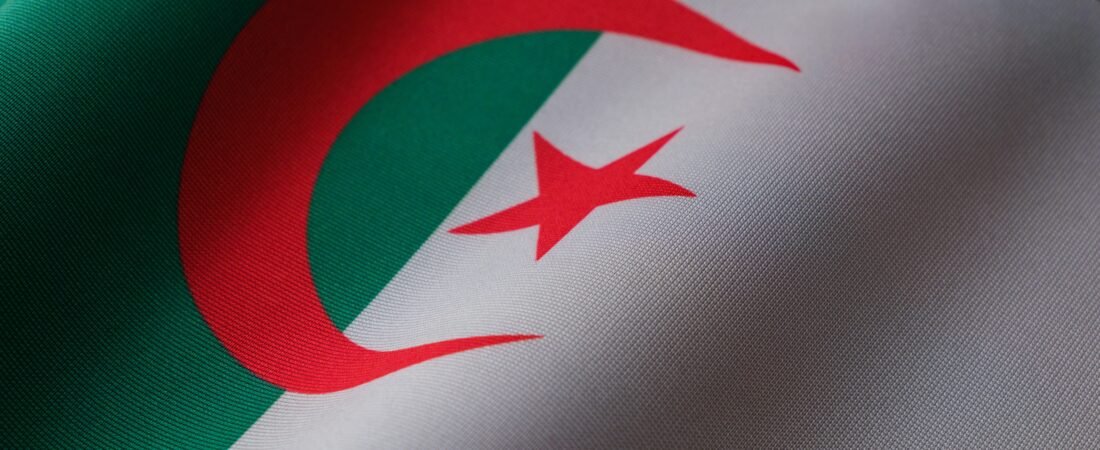
Algeria, the largest country in Africa, is not only vast in size but also in spirit. Stretching from the breezy Mediterranean coast to the depths of the Sahara Desert, it is a land where voices rise in many accents, rhythms, and histories. To speak of Algeria is to speak of its languages, a living tapestry woven from centuries of trade, resistance, migration, and memory.
The Official Languages: Arabic and Tamazight
Algeria’s Constitution recognizes Modern Standard Arabic and Tamazight (Berber) as its official languages.
- Arabic was established as the sole official language after independence in 1962, reflecting a desire to reclaim identity after French colonial rule. It is used in government, media, schools, and religious life. But Modern Standard Arabic is often reserved for formal contexts, courtrooms, classrooms, and newspapers, rather than the street.
- Tamazight (Berber), spoken by Algeria’s indigenous Amazigh people, achieved official status in 2016 after decades of activism. It had been recognized as a national language in 2002, but its upgrade was historic, a celebration of the country’s cultural roots. Written in Tifinagh script and taught in schools, Tamazight isn’t just a language. It’s a statement: we remember, we belong, we endure.
Everyday Speech: Darja, the Voice of Daily Life
Step into an Algerian market and you’ll likely hear Darja—Algerian Arabic—flowing through conversations. Unlike Modern Standard Arabic, Darja is lively, colloquial, and deeply hybrid.
- It borrows generously from French, Berber, Turkish, and even Spanish, thanks to Algeria’s long history of exchanges.
- Around 81% of Algerians speak Arabic dialects (mostly Darja) in daily life.
Darja is also dynamic. Young people lace it with English words, social media slang, and French expressions, reflecting Algeria’s globally connected youth culture.
The Berber Languages: Voices of the Mountains
The Amazigh communities, spread across the Kabylie mountains, the Aurès, and parts of the Sahara, speak vibrant Berber dialects, each carrying centuries of oral poetry, proverbs, and identity.
- Kabyle (Taqbaylit) – spoken by about 3 million people in Kabylie. It is the most widely used Berber dialect in Algeria and has a strong literary and musical tradition.
- Shawiya (Tachawit) – spoken in the Aurès Mountains by around 2 million people. Known for its fiery folk songs and warrior history.
- Mozabite, Tuareg, Chenoua, and others – smaller communities speak these dialects, especially across the Sahara.
Berber is not just preserved, it is thriving in music, media, and literature. From the iconic singer Idir to modern Amazigh rappers, language has always been a vehicle for resilience and pride.
The Shadow of French
Though not official, French is everywhere in Algeria. It is the language of science, technology, higher education, and much of the press. Many Algerians switch seamlessly between Darja and French, sometimes even in the same sentence.
Why does French linger?
- Over 130 years of colonization (1830–1962) left deep roots.
- France continues to be a major trade and migration partner.
- Many Algerians study in French-speaking universities abroad.
Still, debates rage: should Algeria pivot toward English instead of French? Should schools de-emphasize French?
The Rise of English
In recent years, Algeria has been turning toward English.
- Since 2023, English is taught in primary schools starting from grade 3.
- Universities are expanding English-language programs, particularly in science and technology.
For young Algerians, English feels like a ticket to global opportunity, connecting them not only to Europe but to Africa, America, and Asia.
🌍 Other Languages: Rare Voices in the Desert
Algeria is home to smaller, less-known languages:
- Hassaniya Arabic, spoken by nomadic groups in the far south near Mauritania.
- Korandje, a Songhay variety spoken by only a few thousand people in the Tabelbala oasis, a linguistic jewel in the desert.
- Algerian Sign Language, used in schools and by Deaf communities across the country.
These languages remind us that Algeria is not just a land of “big” languages—it is also a land of fragile, precious voices.
Why Algeria’s Languages Matter
Language in Algeria is more than communication; it’s identity. To speak Darja is to connect with everyday Algeria. To write in Arabic is to link with faith and nationhood. To sing in Kabyle is to honor indigenous resilience. To study in French or English is to open doors to the world.
Algeria’s voices are many, yet together they form a single rhythm: one of endurance, beauty, and change.
📌 Fun Fact Box
- Want to say “Hello” in Algeria?
- In Darja: Salam ʕlikum!
- In Kabyle: Azul!
- In French: Bonjour!